Composite Bonding in Chanhassen, MN

Chipped a tooth on popcorn? Bothered by a small gap or one tooth that’s shorter than the rest? Composite bonding fixes those in a single visit, usually in about an hour, and most of the time without any drilling or numbing. Dr. Monil Mehta sculpts tooth-colored resin by hand so the repair blends right in with your smile.

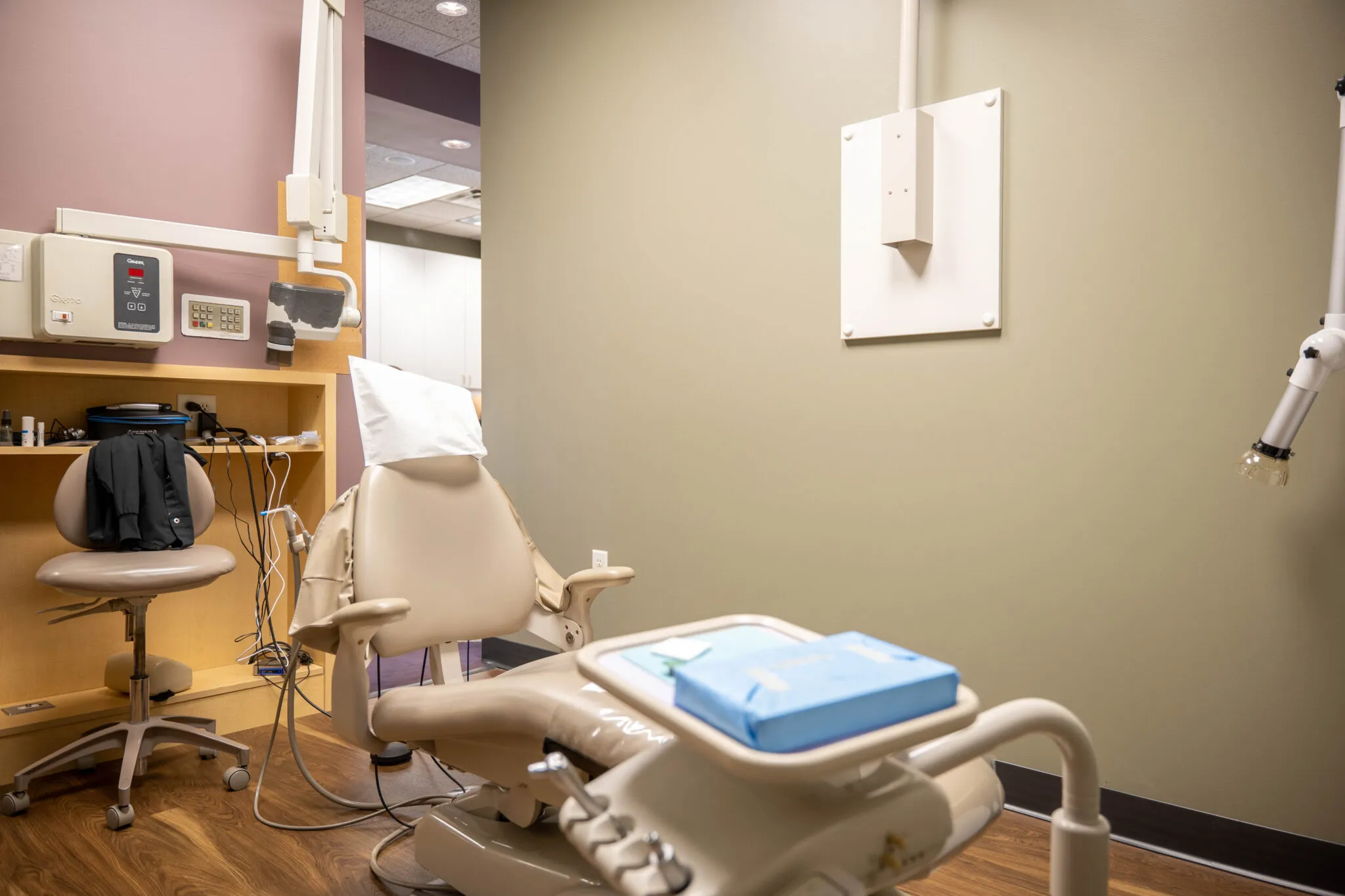
Dental exam chair and equipment in a treatment room at Dentistry on the Ponds

What Is Composite Bonding?

Composite bonding, also called dental bonding or tooth bonding, uses a tooth-colored resin that sticks directly to your enamel. Dr. Mehta matches the shade to your teeth, shapes the resin to fix the problem, then hardens it with a special light.


It’s metal-free and one of the most affordable ways to improve your smile.

Chipped Tooth Repair

A chipped front tooth is the most common reason people come in for bonding. Small and medium chips can usually be repaired the same day, and the tooth looks whole again when you leave.

If the chip is large or the tooth is cracked deeper down, Dr. Mehta may recommend a crown or veneer instead so it holds up long term.

If you just chipped a tooth and it hurts, call us at (952) 906-0200. We save time for dental emergencies.

What Bonding Can Fix

  • Chipped or cracked teeth

  • Small gaps between teeth

  • Teeth that are short, worn or oddly shaped

  • Stains that whitening won't lift

  • Exposed roots from gum recession

Composite bonding to fix chipped and uneven teeth at Dentistry on the Ponds

How Bonding Works

  1. 01

    Shade matching

    We pick a resin shade that matches your teeth. If you want to whiten, do it first, since bonding won't change color later.

  2. 02

    Prep

    We lightly roughen the tooth surface so the resin grips. Most patients don't need numbing.

  3. 03

    Sculpting

    Dr. Mehta applies and shapes the resin layer by layer.

  4. 04

    Curing and polish

    A curing light hardens the resin, then we polish it to a natural shine and check your bite.

Bonding vs. Veneers

Bonding and veneers fix a lot of the same things.

Composite bonding

  • Costs less
  • Takes one visit
  • Keeps more of your natural tooth

Porcelain veneers

  • Last longer
  • Resist stains better
  • The better choice for big changes to color and shape
Learn about veneers

Many patients start with bonding for one or two teeth and choose porcelain veneers when they want a full smile change.

Hear What Our Patients Say

Chanhassen's Top Dentist

Bonding is priced per tooth and costs much less than veneers or crowns. Your exact price depends on how many teeth we treat and how much resin each one needs. We'll give you a clear quote at your consultation.

Bonding usually lasts five to ten years. Avoid chewing ice, pens or fingernails, and come in for regular cleanings so we can polish and touch it up as needed.

No. Whitening only works on natural enamel, not resin. If you want whiter teeth, whiten first and then we'll match your bonding to the new shade. If you whiten later, the bonding can be replaced to match.

When bonding repairs a chipped or broken tooth, insurance often covers part of it. When it's purely cosmetic, it usually isn't covered. Our team will check your plan for you.

Most patients feel nothing. We usually don't need to numb you, unless we're repairing a deeper chip or treating a sensitive area.

See Your New Smile Before You Commit

Exterior of the Dentistry on the Ponds office building in Chanhassen, MN

Upload a photo of your smile and tell us what you’d like to change. At your free consultation, Dr. Mehta will show you a simulated before and after of your smile with bonding.


Meet Dr. Mehta

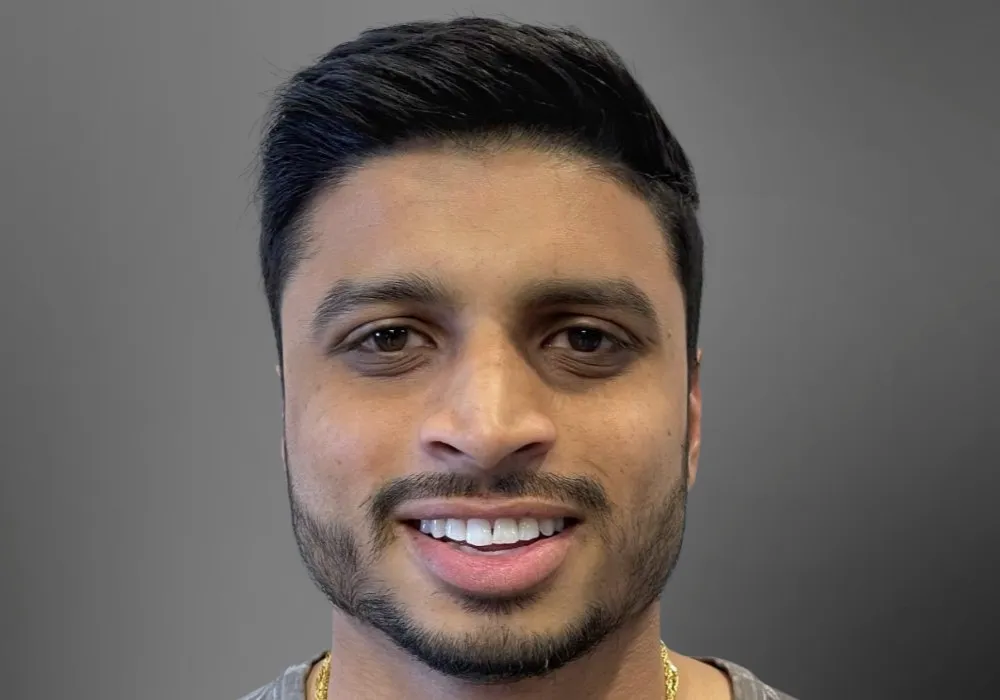
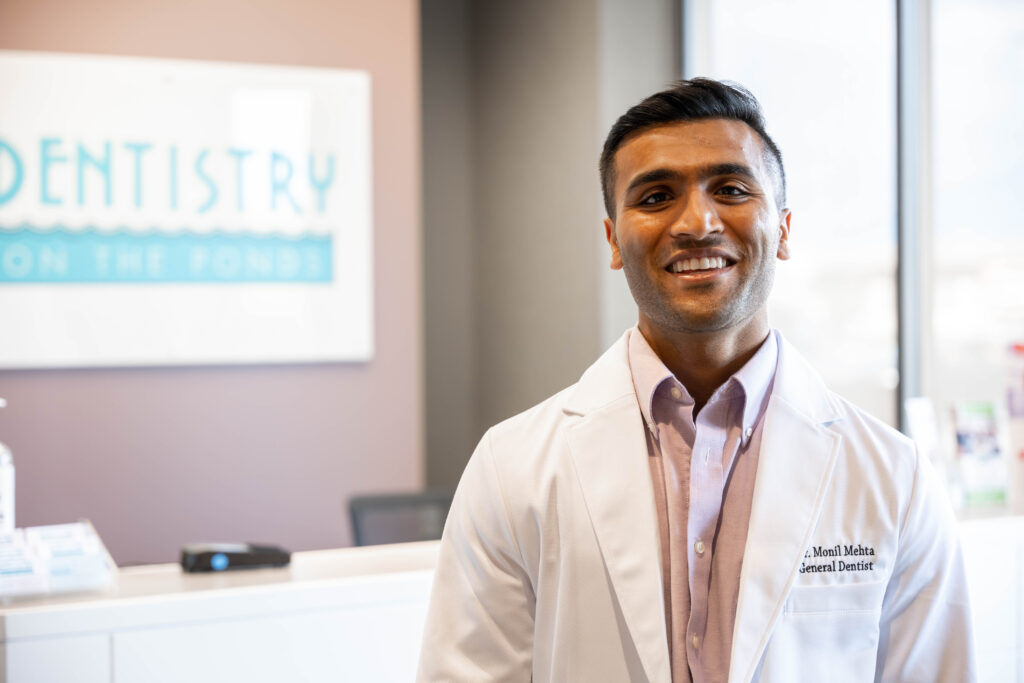
Dr. Monil Mehta is a University of Pittsburgh–trained dentist with advanced training in implants, clear aligners, and cosmetic dentistry. A key opinion leader for leading dental brands, he pairs clinical precision with an artist’s eye.

Scroll to Top